How Slot Mechanics Have Integrated Traditional Table Elements Through Successive Regulatory Updates
Felix Lorenz · Oct 9, 2026
How Slot Mechanics Have Integrated Traditional Table Elements Through Successive Regulatory Updates
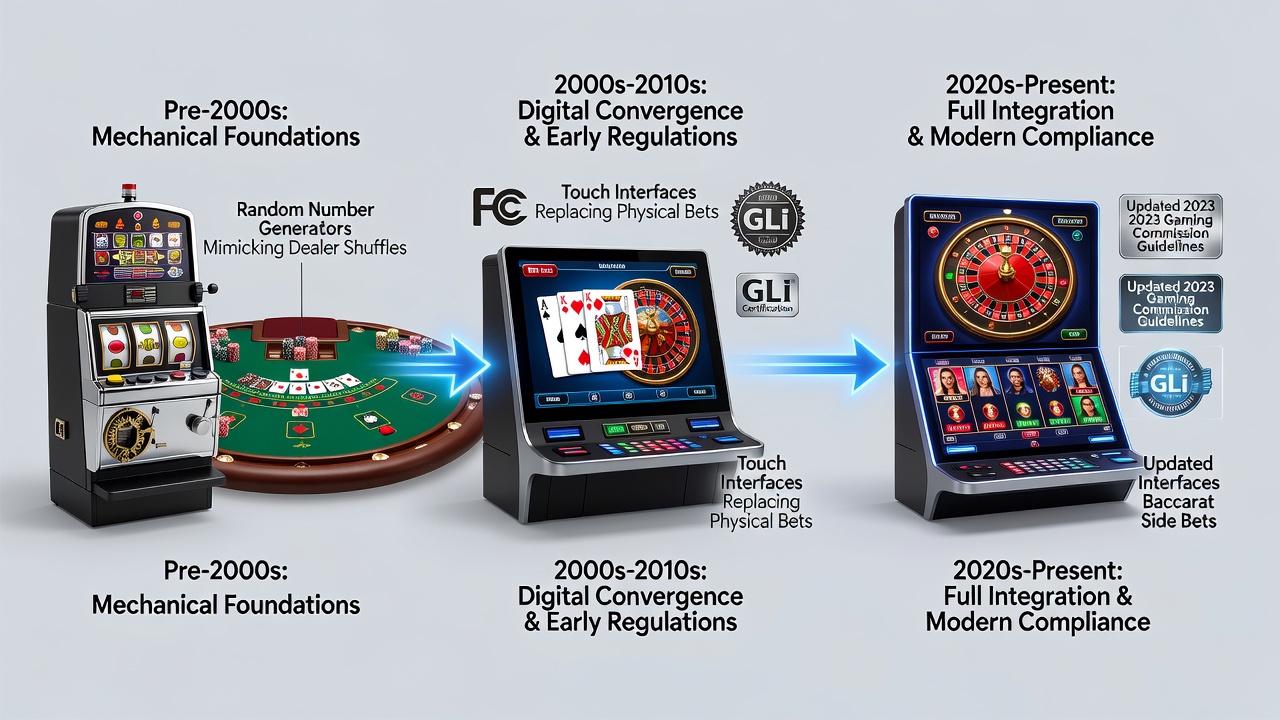
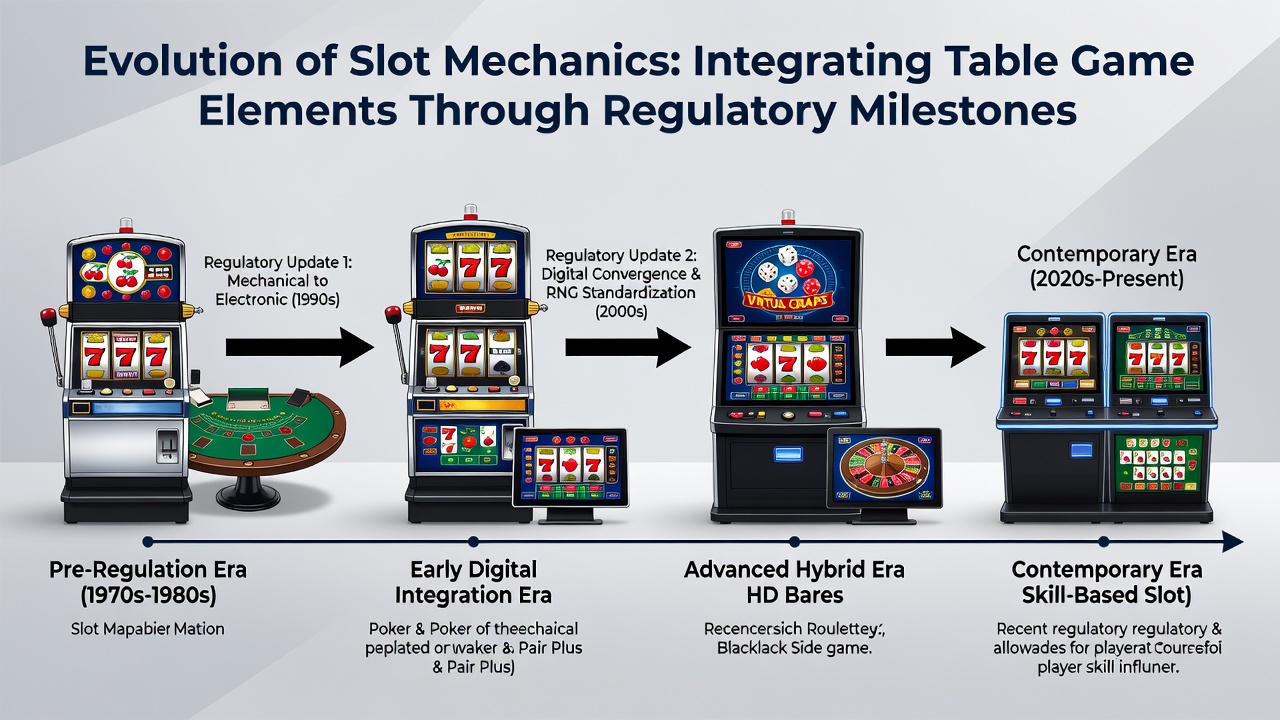
Slot machines began as standalone devices with simple reel spins and fixed payouts, yet successive regulatory updates across multiple jurisdictions gradually opened pathways for mechanics drawn from traditional table games such as blackjack, roulette, and poker. Data from the Nevada Gaming Control Board shows that early electronic gaming devices maintained strict separation from table formats through the 1990s, with random number generators operating independently of player choice elements common at felt tables.
By the early 2000s regulators in several US states introduced requirements for transparent return-to-player calculations that encouraged developers to embed table-style decision points within bonus features, and this shift allowed slots to display hold-and-spin rounds that mirrored poker hand rankings while preserving certified randomness. Observers note that these updates required independent testing labs to verify fairness, which in turn standardized the integration of multiplier systems reminiscent of roulette betting progressions.
Key Regulatory Milestones Driving Integration
Amendments to gaming device standards in New Jersey during 2009 permitted video slots to incorporate side-bet mechanics similar to those found on blackjack tables, and manufacturers responded by adding optional wager layers that triggered mini-games with card-draw animations. Figures from the New Jersey Division of Gaming Enforcement indicate that such features increased player engagement metrics without altering core RNG certification processes.
Australian state authorities followed with updates around 2012 that mandated clear disclosure of bonus round probabilities, prompting the adoption of progressive jackpot structures modeled on poker tournament payouts where contributions accumulate across linked machines. These changes required operators to maintain audit trails comparable to those used for table game drop boxes, creating technical parallels between the two formats.
European Developments and Cross-Market Influences
Regulatory frameworks in Malta and later Germany introduced licensing conditions that emphasized player protection through familiar interface elements, and this environment allowed slots to feature dealer-style card reveals during free-spin sequences while complying with strict randomness audits. Research published by the European Gaming and Betting Association highlights how these rules aligned slot bonus structures with table game transparency standards, enabling smoother cross-platform certification.
By 2018 updates in Canadian provincial gaming commissions further refined these approaches, requiring that any table-derived mechanics undergo the same volatility testing applied to live dealer systems, which accelerated the inclusion of strategy-light decision trees in video slots.
Technical Adaptations in Modern Designs
Contemporary slot platforms now routinely embed reel modifiers that replicate blackjack splitting mechanics through symbol duplication features, and regulatory bodies continue to evaluate these additions under existing RNG and payout verification protocols. Data indicates that such integrations have prompted developers to log player choices separately from core spin outcomes to satisfy audit requirements across markets.
Updates effective in October 2026 under revised German interstate gaming treaties expand documentation obligations for any feature resembling table game wagers, requiring operators to publish probability tables that parallel those used for roulette wheels. This approach maintains separation between chance-based core play and optional table-inspired layers while allowing mechanical borrowing.
Industry reports from the World Lottery Association document parallel trends in Asia-Pacific markets where regulators have aligned slot certification with table game inspection regimes, resulting in hybrid interfaces that display running counts or streak indicators without introducing actual skill elements into certified random outcomes.
Conclusion
Successive regulatory updates have therefore created structured channels through which slot mechanics absorb visual and structural cues from traditional table games, all while operating under unified testing and disclosure standards. Sources such as the Nevada Gaming Control Board and provincial Canadian commissions continue to shape these convergences through evolving technical specifications rather than direct format merging. The result appears in certified devices that present familiar table motifs within strictly chance-based frameworks across global markets.