How Biometric Verification Systems Have Reshaped Secure Access Protocols for Real-Time Dealer Sessions on Handheld Gambling Platforms
Felix Foster · Oct 23, 2026
How Biometric Verification Systems Have Reshaped Secure Access Protocols for Real-Time Dealer Sessions on Handheld Gambling Platforms
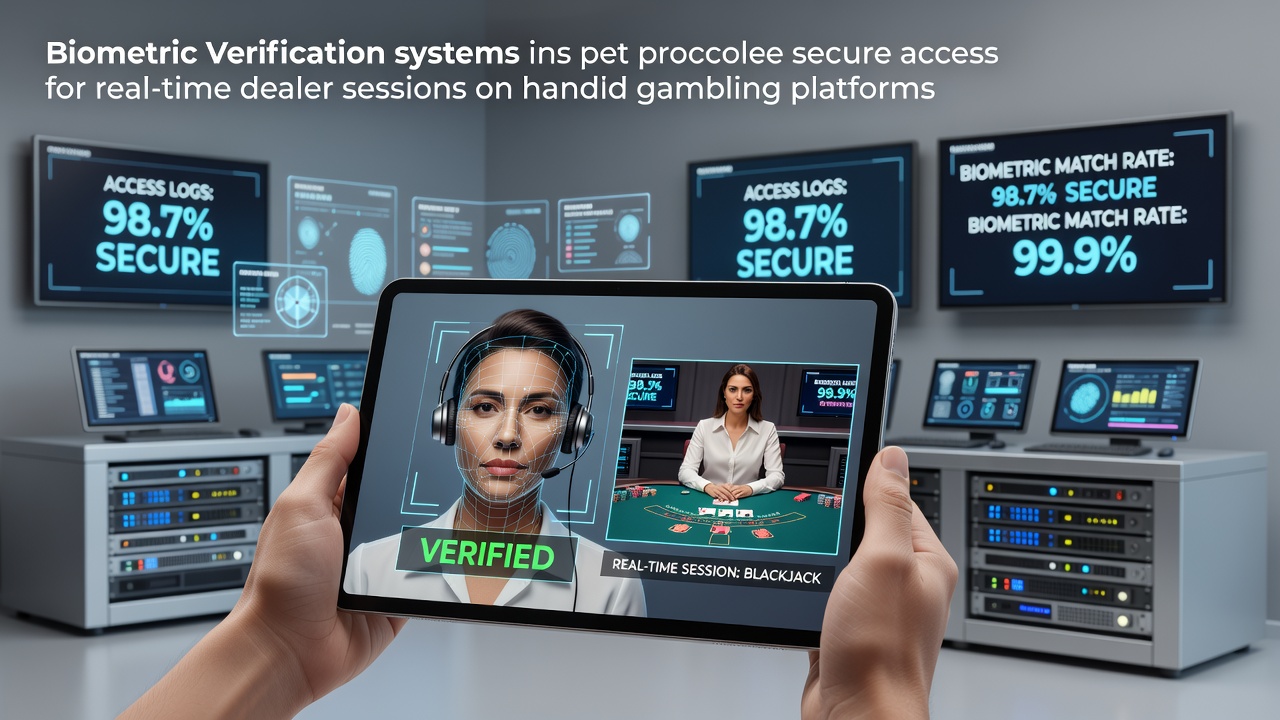
Biometric verification systems rely on unique physical traits such as fingerprints, facial patterns, and iris scans to confirm user identity, and these tools have altered access procedures for real-time dealer sessions on handheld gambling platforms by replacing slower password-based logins with instant checks that maintain session continuity. Platforms now embed these systems directly into mobile applications so players can authenticate within seconds while a live dealer game streams without pause, which reduces the risk of unauthorized entry during active play. Data from industry reports shows adoption of such methods expanded significantly between 2023 and 2026 as operators sought to meet rising demands for both speed and protection on portable devices.
Transition from Legacy Authentication to Integrated Biometrics
Early mobile gambling setups depended on numeric pins or two-factor codes sent via text, yet those approaches often interrupted live dealer interactions when players needed to re-enter details mid-session. Biometric alternatives emerged as hardware capabilities on smartphones advanced, allowing operators to link device sensors straight to backend verification servers that cross-check traits against stored profiles before granting entry to streaming tables. Researchers at several technology institutes documented how this change cut average login times by more than half in controlled tests, and the same studies noted fewer account-sharing incidents once facial or fingerprint matches became mandatory at the start of each dealer session.
Technical Integration with Live Streaming Protocols
Handheld platforms combine biometric checks with encrypted video feeds so the verification step occurs in the background while the dealer interaction loads, and this layering keeps the real-time element intact without forcing users to switch between apps or tabs. Software development kits from major providers now include liveness detection that distinguishes between a real face and a static photo, which addresses common spoofing attempts that older systems could not handle. Observers note that integration extends to continuous monitoring in longer sessions, where periodic micro-scans confirm the original user remains present even as bets are placed and cards are dealt.
Security Enhancements Across Multiple Jurisdictions
Regulatory bodies outside the UK have tracked how biometric protocols strengthen defenses against fraud in portable live gaming. The Malta Gaming Authority published compliance data in October 2026 that recorded a measurable drop in disputed transactions on platforms using facial recognition for dealer access, while the Nevada Gaming Control Board reported similar trends among operators serving US markets. These figures reveal that unauthorized access attempts declined because biometric templates remain stored locally on devices rather than transmitted repeatedly, which limits exposure points compared with traditional credential systems.
Industry associations such as the European Gaming and Betting Association have compiled case studies from operators who migrated entire live dealer portfolios to biometric gateways, and those records indicate session retention rates improved when players no longer faced repeated password prompts during extended play. The same reports highlight that multi-modal biometrics, which combine fingerprint with voice or facial data, further reduced false rejections that once frustrated users on smaller screens.
Regulatory Drivers and Platform Adaptations
Government agencies in Canada and Australia have updated licensing conditions to favor platforms that deploy biometric safeguards for real-time dealer environments, prompting developers to redesign access flows so verification aligns with local data-protection rules. One study released by a Canadian research consortium found that operators who adopted these measures early saw faster approval cycles for new mobile titles, because regulators viewed the reduced reliance on shared passwords as a direct security gain. Handheld platforms responded by building adaptive thresholds that adjust sensitivity based on session length or wager size, ensuring checks remain proportionate while still meeting oversight requirements.
Conclusion
Biometric verification has become a core component of secure access on handheld gambling platforms that host real-time dealer sessions, and the shift continues to influence how operators balance convenience with regulatory expectations across regions. Figures released in October 2026 by the Malta Gaming Authority and parallel updates from the Nevada Gaming Control Board confirm measurable improvements in transaction integrity once these systems took hold. As device sensors evolve, further refinements in liveness detection and template storage are expected to maintain the same trajectory toward streamlined yet robust protocols.